Native Plants That Can Handle Salt Spray in Coastal Virginia
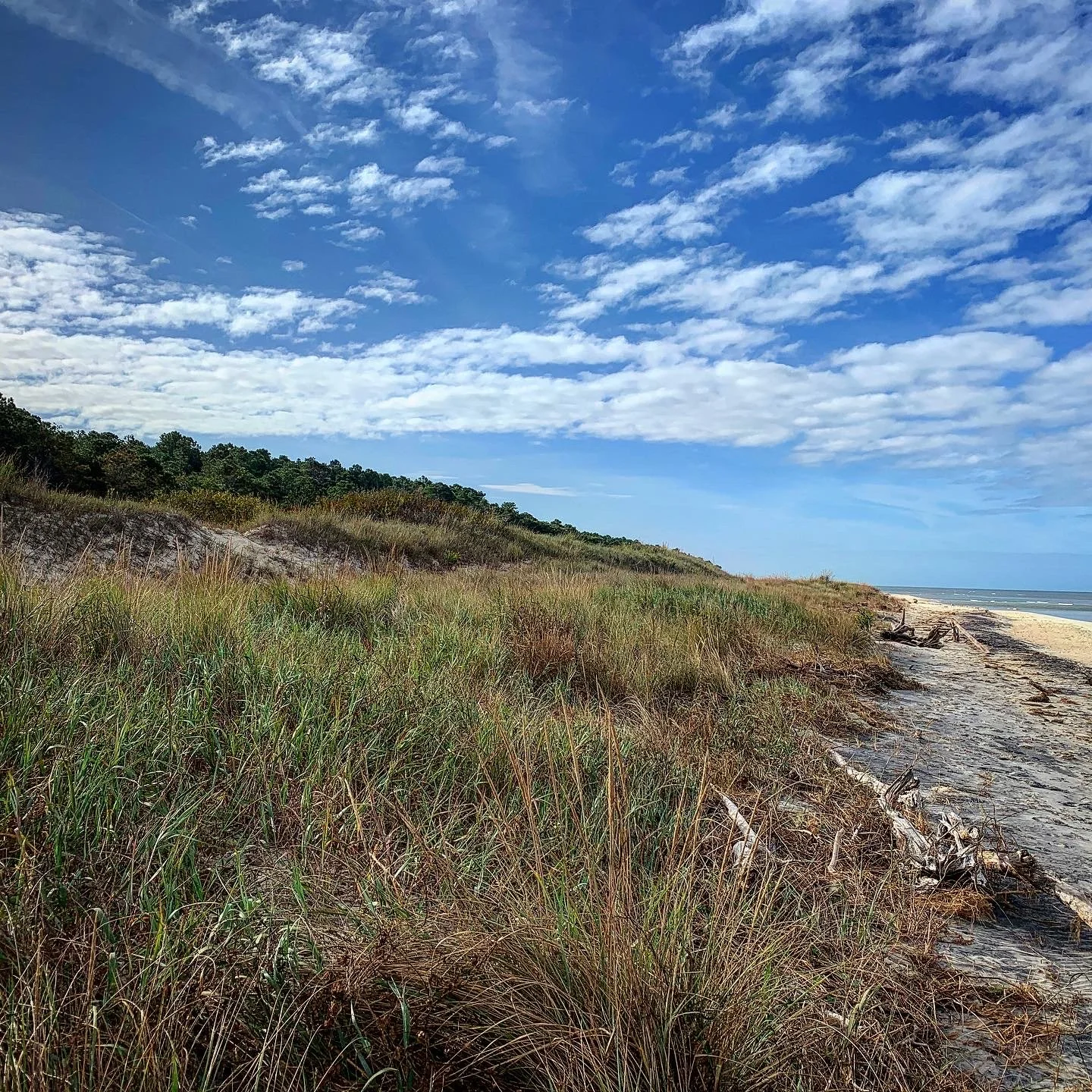
Native coastal vegetation growing along the sandy shoreline in Cape Charles on Virginia's Eastern Shore.
Living near the ocean has plenty of perks, but gardening can definitely be a challenge! Between the salt spray, sandy soils, and strong coastal winds, plants that do beautifully just a few miles inland may struggle at the oceanfront.
The good news? There are plenty of native plants that are naturally adapted to these conditions. The trick is understanding just how much exposure your particular property gets and choosing plants accordingly.
A yard directly on the beach is going to have very different conditions than one tucked behind a few rows of houses, even if they're only a short distance apart. And while some plants can tolerate salt carried on the wind, that doesn't necessarily mean they can handle saltwater flooding around their roots.
Here's a look at some of the native plants worth considering for coastal Virginia Beach landscapes, along with where they're most likely to thrive.
Start with the toughest plants in the most exposed areas
If your property faces the ocean, your first priority is choosing plants that can handle the wind and salt spray. These plants can also help create a protective buffer for more sensitive plants behind them.
Wax myrtle (Morella cerifera) is one of my favorites for coastal landscapes. It's a fast-growing evergreen shrub that can be allowed to grow naturally or maintained as a screen. It's also valuable to birds and provides excellent habitat.
Yaupon holly (Ilex vomitoria) is another excellent option. It's evergreen, adaptable, and available in different growth habits, including smaller selections for tighter spaces. Female plants can also provide berries for wildlife, provided there's a compatible male nearby.
Seaside goldenrod (Solidago sempervirens) is a fantastic perennial for sunny coastal gardens. Its bright yellow fall flowers provide a valuable late-season nectar source for pollinators, and it naturally occurs in coastal habitats.
Groundsel bush (Baccharis halimifolia) is another tough native that tolerates challenging coastal conditions. Its fluffy fall seed heads are distinctive, although you'll want to consider its mature size and tendency to spread by seed before planting it in a smaller landscape.
The important thing to remember is that even salt-tolerant plants have limits. A plant that handles occasional salt spray may still struggle with constant exposure or repeated saltwater flooding.
What about plants farther from the ocean?
Not every coastal property gets blasted with salt spray! Even moving a little farther inland, or having some protection from buildings, fences, and existing vegetation, can make a big difference in what you're able to grow.
Once you have some protection from the most direct exposure, you can start incorporating a wider variety of native trees, shrubs, grasses, and perennials.
Live oak (Quercus virginiana) is a classic coastal tree, and for good reason. It's adapted to coastal conditions, provides wonderful shade, and supports wildlife. Just make sure you have room for one! These are large, spreading trees at maturity.
Eastern red cedar (Juniperus virginiana) is another great evergreen option for coastal properties. It provides year-round screening and excellent wildlife habitat, particularly for birds.
Little bluestem (Schizachyrium scoparium) is one of my favorite native grasses for sunny, well-drained sites. Its blue-green summer foliage transitions to beautiful coppery tones in fall, and it provides winter interest and habitat.
American beautyberry (Callicarpa americana) is a wonderful addition to more protected areas. Its clusters of bright purple berries are hard to miss in fall, and birds appreciate them, too.
The key is to work with the conditions you have rather than trying to force plants into a location where they'll constantly struggle.
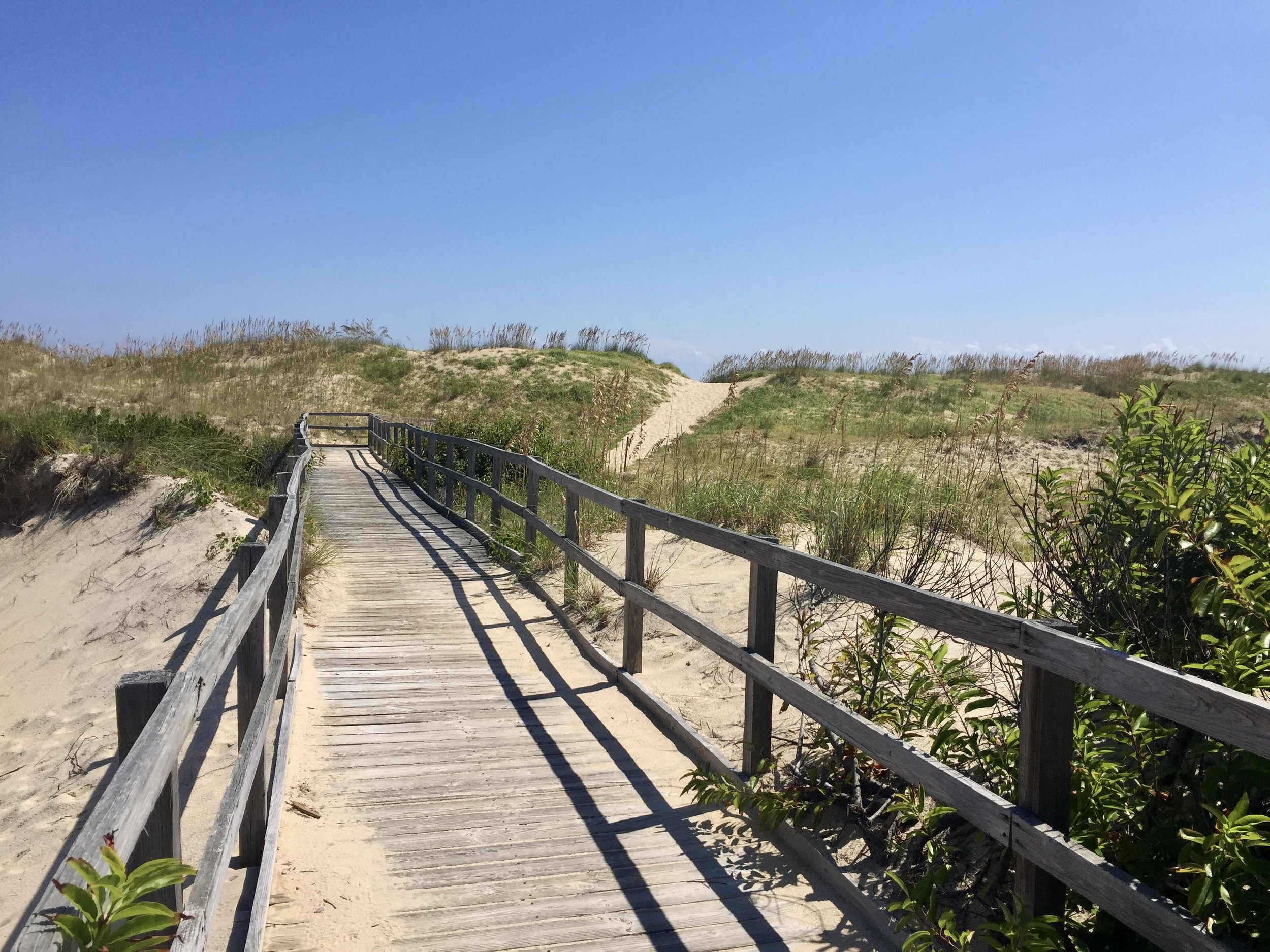
Native dune vegetation at Back Bay National Wildlife Refuge in Virginia Beach helps protect and stabilize the coastal landscape.
Salt-tolerant native plants for coastal Virginia Beach
Here's a quick reference guide to native plants worth considering for coastal landscapes. Remember that salt tolerance varies, and the best choice depends on whether you're dealing with airborne salt spray, salty soils, or actual saltwater flooding.
Plants for residential coastal landscapes
| Plant | Height | Sun | Best use |
|---|---|---|---|
| Wax myrtleMorella cerifera | 10–20 ft | Sun–part shade | Exposed sites, screening, windbreaks |
| Yaupon hollyIlex vomitoria | 10–20 ft; dwarf forms smaller | Sun–shade | Coastal hedges, screening, wildlife |
| Groundsel bushBaccharis halimifolia | 6–12 ft | Sun | Coastal buffers, naturalized areas |
| Beach plumPrunus maritima | 3–6 ft | Sun | Sandy coastal sites, flowers and fruit |
| Seaside goldenrodSolidago sempervirens | 2–6 ft | Sun | Exposed coastal gardens, pollinators |
| Adam's needleYucca filamentosa | 2–3 ft foliage | Sun | Dry, sandy, well-drained beds |
| Pink muhly grassMuhlenbergia capillaris | 2–3 ft | Sun | Sunny sites with some protection |
| SwitchgrassPanicum virgatum | 3–6 ft | Sun | Protected coastal gardens, slopes |
| Live oakQuercus virginiana | 40–60 ft | Sun | Coastal shade tree, larger properties |
| Eastern red cedarJuniperus virginiana | 30–40 ft | Sun | Evergreen screening, bird habitat |
| Little bluestemSchizachyrium scoparium | 2–4 ft | Sun | Protected sandy sites, seasonal interest |
| American beautyberryCallicarpa americana | 3–6 ft | Sun–part shade | Sheltered areas, wildlife gardens |
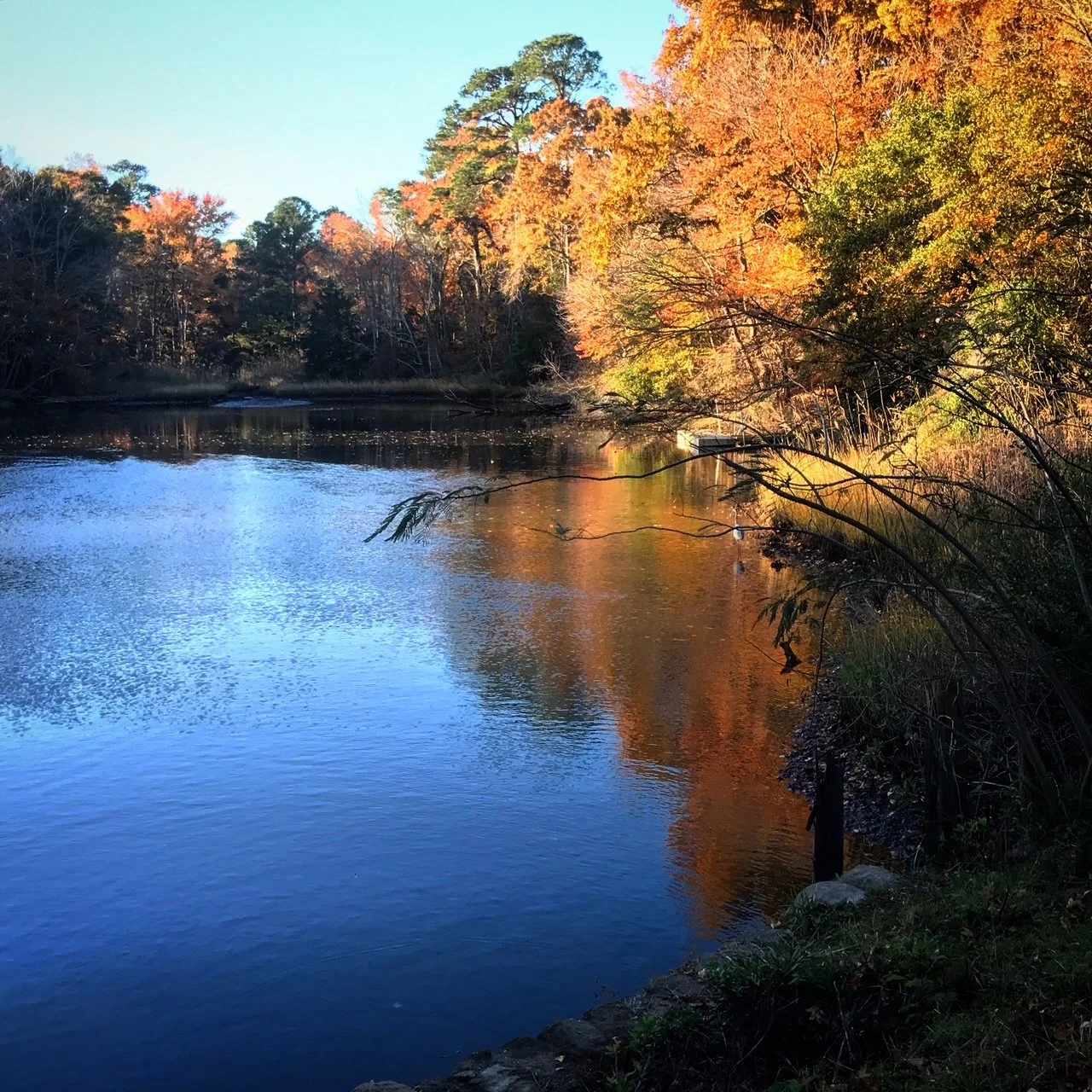
Fall color along the Lynnhaven River in Virginia Beach, where established trees and shoreline vegetation create a more sheltered coastal environment.
Plants for tidal and brackish environments
These plants have more specialized growing requirements and aren't necessarily appropriate for ordinary residential planting beds.
| Plant | Height | Typical habitat |
|---|---|---|
| High tide bushIva frutescens | 3–10 ft | Upper salt marsh, tidal wetland edges |
| Sea ox-eyeBorrichia frutescens | 1–3 ft | Upper salt marsh and saline coastal sites |
| Seashore mallowKosteletzkya virginica | 3–6 ft | Brackish wetland margins |
| Swamp rose mallowHibiscus moscheutos | 4–7 ft | Wet soils; salinity tolerance varies |
| SaltgrassDistichlis spicata | 1–2 ft | Upper salt marsh, saline soils |
| Smooth cordgrassSpartina alterniflora | 2–6 ft | Low tidal marsh, generally mean sea level to mean high water |
Plant heights are approximate. Suitability depends on local conditions, and not every species listed tolerates direct oceanfront salt spray. Check our current availability for plants we're carrying this season.
What if your property floods with brackish water?
This is where things get a little more complicated.
Salt spray and saltwater flooding are two very different challenges. A plant might tolerate salty air just fine but struggle if its roots are regularly inundated with brackish water.
It's also important to understand where plants belong in relation to the tide line.
Smooth cordgrass (Spartina alterniflora) is a low-marsh species, generally growing from around mean sea level up to the mean high water line. It's an important component of tidal marshes and living shorelines, but it isn't a plant for ordinary landscape beds above the tidal zone.
Saltgrass (Distichlis spicata), sea ox-eye (Borrichia frutescens), and high tide bush (Iva frutescens) are more characteristic of upper marsh environments, where flooding is less frequent.
Other plants, including seashore mallow (Kosteletzkya virginica), may be appropriate for brackish wetland margins, depending on salinity, elevation, and flooding frequency.
For residential landscapes above the tidal zone, focus on plants adapted to the property's actual soil moisture, drainage, and salt exposure rather than assuming that all salt-tolerant plants are interchangeable.
If you're planting along a tidal shoreline, keep in mind that work in regulated wetlands may require permits or coordination with the appropriate agencies.
Tips for planting near the ocean
Choosing the right plants is only part of the equation. How you arrange and establish them can make a big difference, too.
1. Use tougher plants to create protection
If you're starting with an exposed property, consider using salt-tolerant shrubs and trees to create a buffer on the side facing the prevailing salt-laden winds.
As those plants grow, they can help create more sheltered conditions for other species. Think of it as building layers in your landscape rather than planting everything with the same level of exposure.
2. Work with your existing soil
One of the most common mistakes in landscaping is trying to completely change the soil to suit a plant.
Many coastal natives are adapted to sandy, relatively nutrient-poor soils. Adding large amounts of rich topsoil or fertilizer isn't necessarily going to help them, and in some cases can cause more problems than it solves.
Instead, choose plants suited to your existing conditions. It's also worth remembering that not every coastal property has the same soil. Some have dry, fast-draining sand, while others have compacted fill or areas that stay wet.
3. Don't forget to water new plantings
Drought-tolerant doesn't mean a plant can go without water immediately after planting!
Even plants adapted to sandy coastal conditions need consistent moisture while their root systems establish. Check the soil regularly, water deeply as needed, and pay extra attention during hot, windy weather.
Once established, many appropriately selected native plants can get by with little supplemental irrigation.
4. Take advantage of fall planting
Fall is one of my favorite times to plant in coastal Virginia. The soil is still warm enough for root growth, but cooler temperatures generally mean less stress on newly installed plants.
Early spring is another good option, although you'll need to be more attentive to watering as temperatures rise.
5. Give plants room to grow
This is especially important when using shrubs as a coastal buffer.
It can be tempting to plant everything close together for immediate screening, but remember to account for mature size. Overcrowding can create maintenance problems down the road and reduce air circulation.
A little planning now can save a lot of work later!
Frequently asked questions about coastal native plants
What native plants can survive salt spray in Virginia Beach?
Wax myrtle, yaupon holly, seaside goldenrod, and groundsel bush are among the native plants worth considering for salt-exposed coastal landscapes. However, tolerance varies by species and site conditions. Direct beachfront exposure is much more challenging than occasional salt spray farther inland.
Can I grow native plants in sandy soil without adding topsoil?
Absolutely! Many native coastal plants are naturally adapted to sandy soils. The important thing is choosing species that match your site's drainage, moisture, and exposure conditions rather than automatically amending the soil.
How far inland does salt spray affect plants?
There's no single distance that applies to every property. Wind direction, storms, elevation, buildings, and existing vegetation all affect how much salt reaches a landscape.
Two properties just a few streets apart can have surprisingly different growing conditions.
When is the best time to plant native plants near the ocean?
Fall is generally an excellent planting season in coastal Virginia, with early spring another good option. The exact timing depends on the species and whether the site is exposed to significant wind, drought, or flooding.
Need help choosing plants for your coastal landscape?
Every property is a little different, and that's especially true near the water.
At Southern Branch Nursery, we specialize in native plants suited to Virginia and North Carolina landscapes. Whether you're looking for a few tough shrubs to handle coastal conditions or planning a larger native landscape, we're happy to help you figure out what makes sense for your property.
Browse our current plant availability, visit us in Chesapeake or Virginia Beach, or learn more about our landscape consultation and design services.